Fewer unplanned downtime events
Reduce surprise outages caused by bearing damage that starts electrically and shows up as vibration, heat, or noise—after production impact is already underway.
Industrial Motors & Machinery
Help reduce shaft voltage and bearing current risk in fans, pumps, compressors, conveyors, and automation machinery.
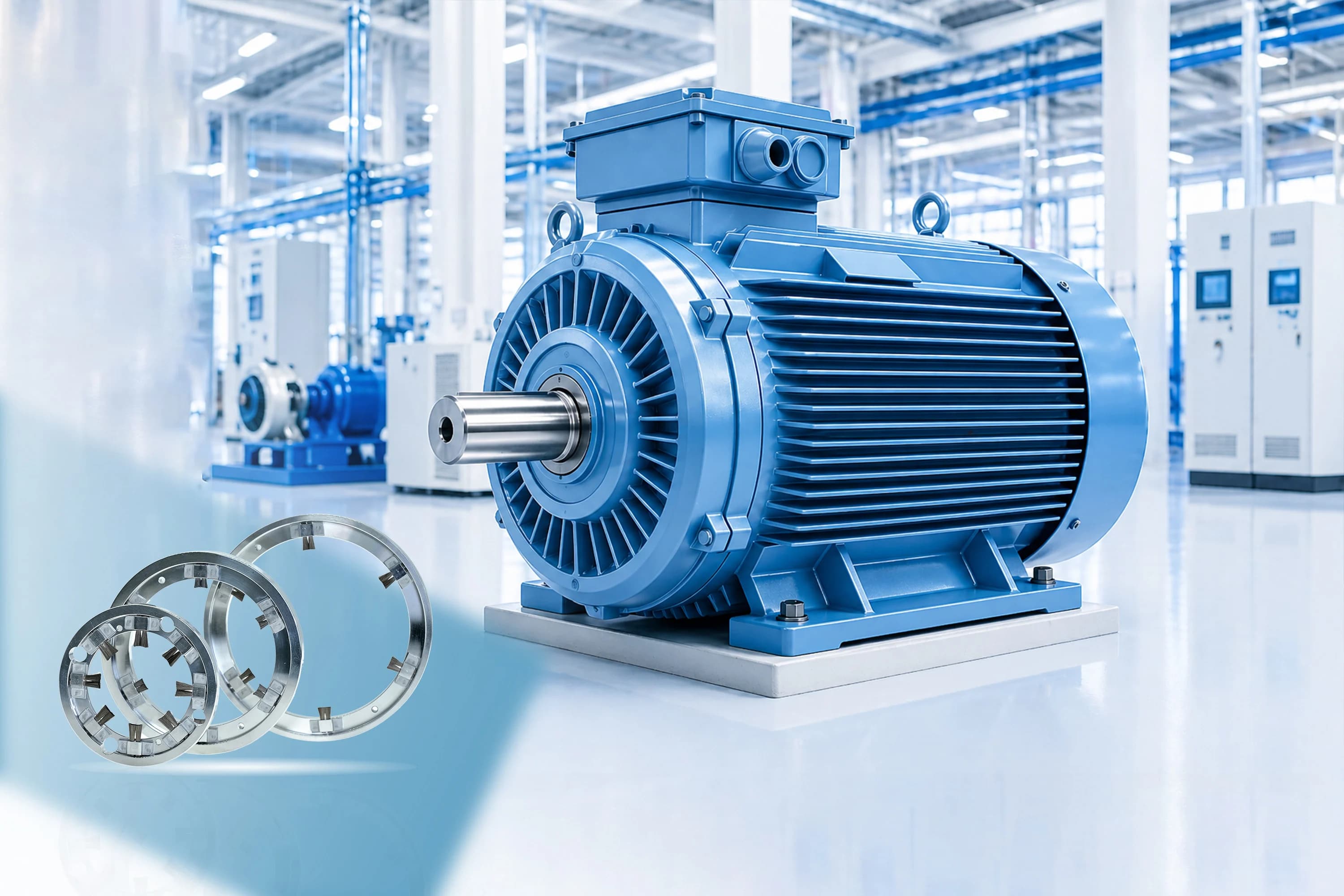
VFD operation changes electrical stress patterns. Without a controlled shaft current discharge path, bearing current can accumulate risk of fluting and inverter-duty motor bearing failure.
Reduce surprise outages caused by bearing damage that starts electrically and shows up as vibration, heat, or noise—after production impact is already underway.
Cut repeat bearing replacements, emergency work orders, and line slowdowns by addressing the inverter-driven root cause—not only the symptom.
Protect raceways from progressive electrical pitting so motors stay in service longer between major interventions.
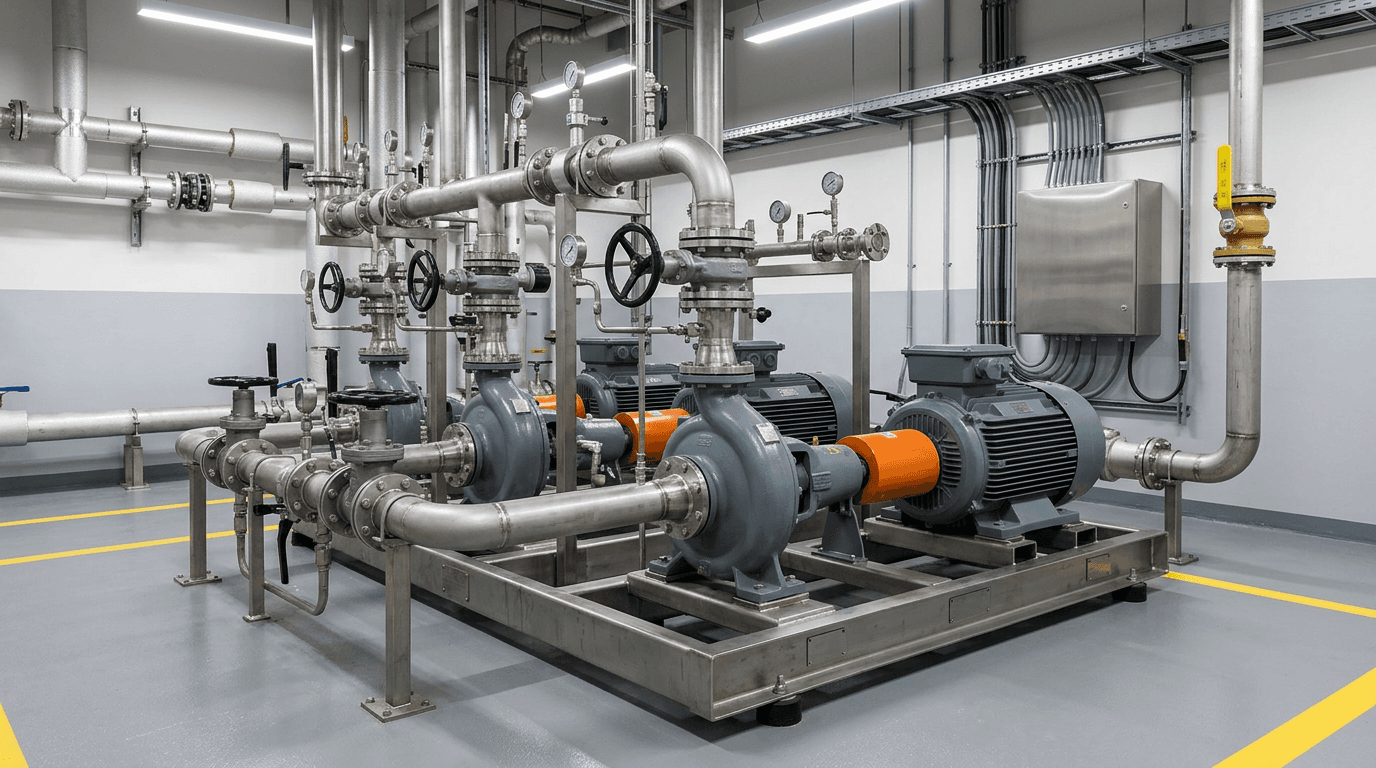
Keep circulation and process pumps reliable under continuous speed control—where a single bearing failure can stop an entire skid.
Explore Pump Systems Application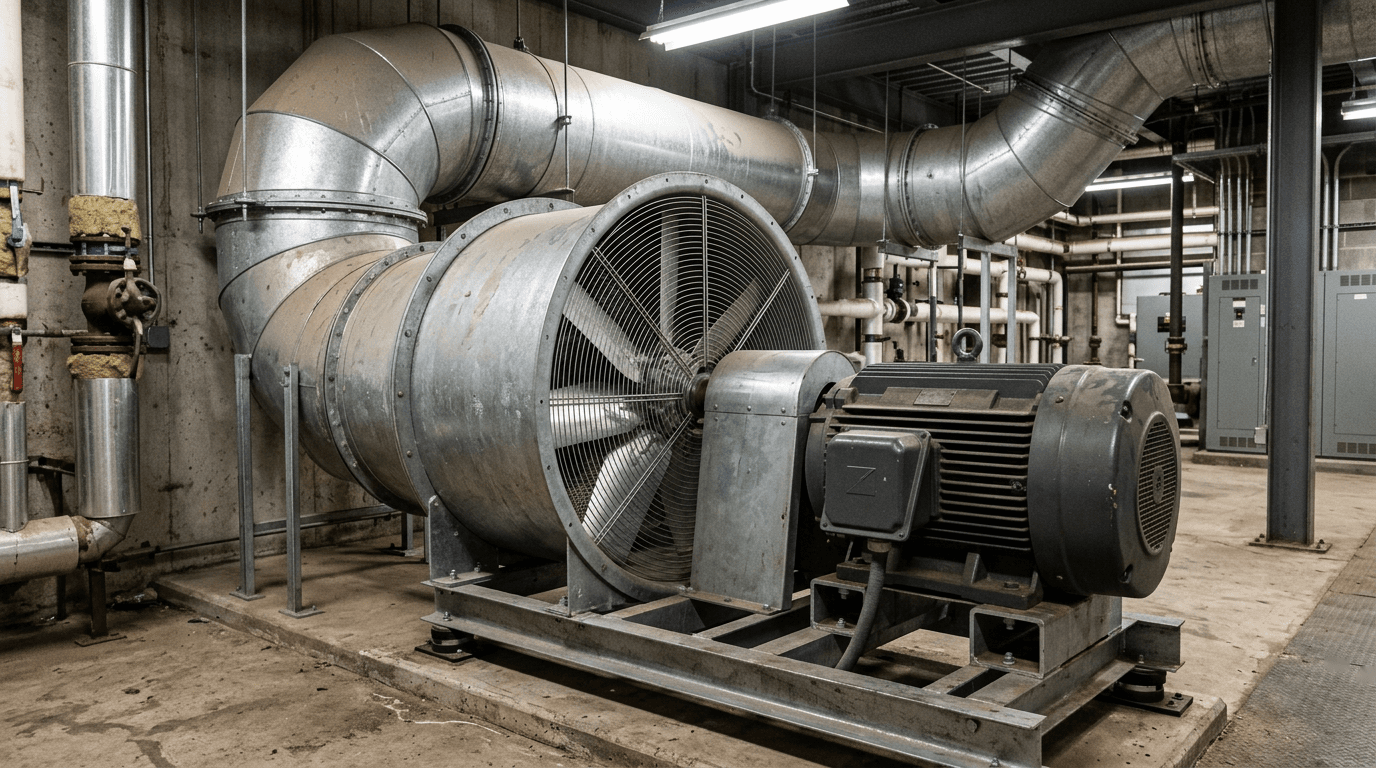
Stabilize bearing health for industrial process fans and blowers that cycle frequently—where inverter stress shows up as premature wear.
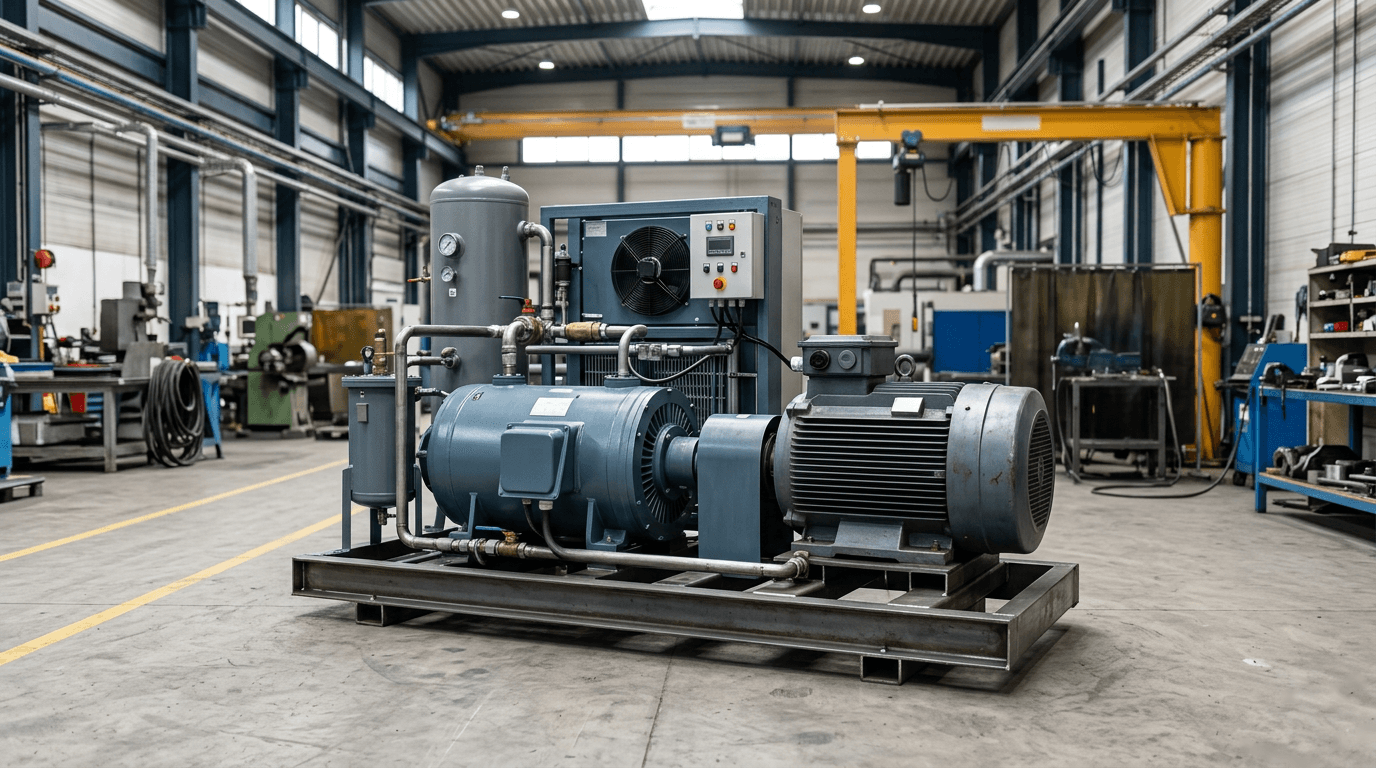
Protect motor bearings on air/gas compression systems where downtime minutes translate directly to lost output.
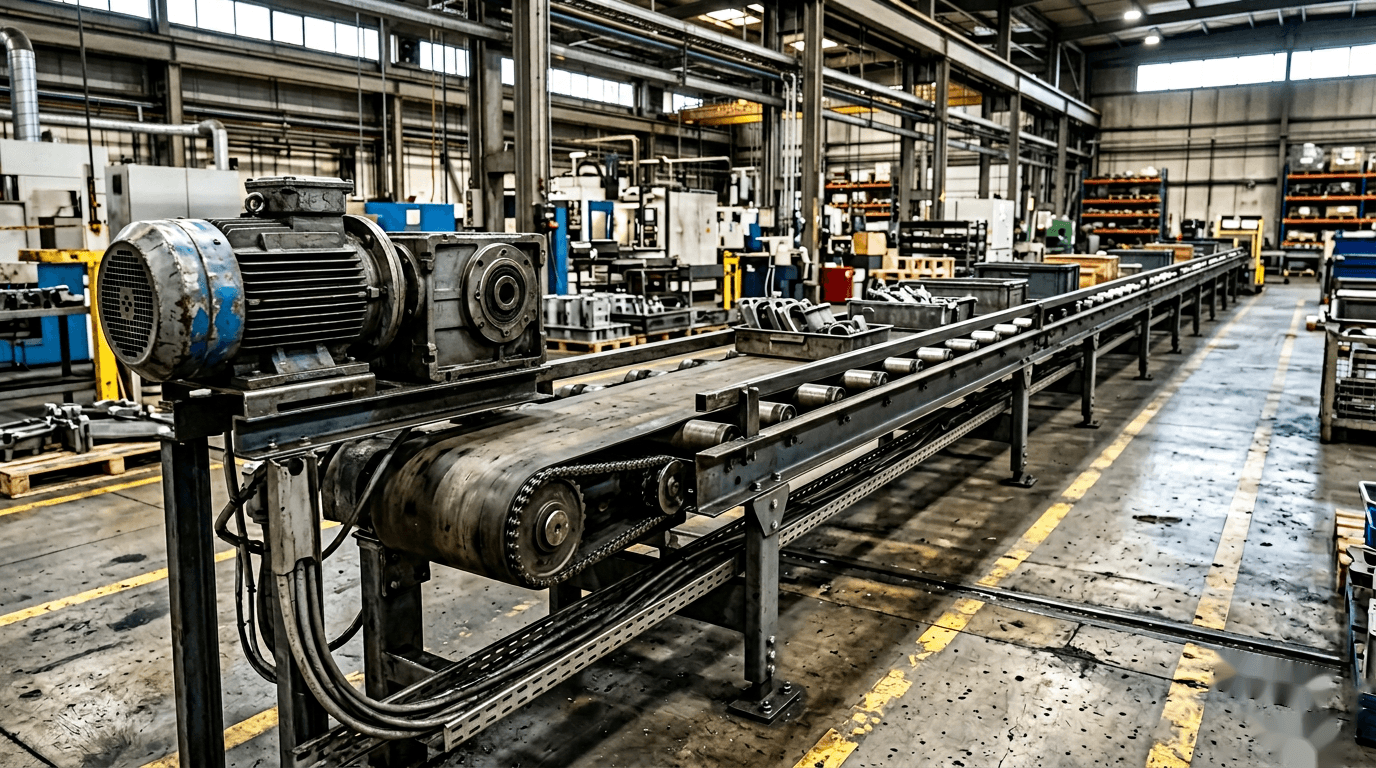
Support conveyors, mixers, and rotating equipment where access is tight and failures are expensive to diagnose twice.
PWM transitions and parasitic capacitance create potential on the rotating shaft.
Current is diverted to ground before it repeatedly discharges through bearing raceways.
Reduced EDM events improve long-term reliability and maintenance planning confidence.
Industrial buyers need fast alignment between site reality and engineering evidence. Volsun focuses on repeatable integration, clear documentation support, and a pragmatic rollout path from pilot assets to fleet-scale programs.
Engineering-led reviews connect shaft geometry, mounting envelope, and duty profile to a controlled grounding strategy—so teams can align confidence before the comparison table.
One review path for shaft geometry, mounting envelope, and contact position.
Review ST/STW where shaft size, access, or mounting envelope is better suited to an arc-shaped structure.
View product optionReview RD/RDW where the shaft and installation envelope support a solid ring structure.
View product optionUse custom package for non-standard dimensions and validation requirements.
View product optionIf you are comparing capex vs reliability, start here: controlled shaft grounding targets the electrical root cause that drives repeat bearing spend.
Traditional approaches vs a controlled grounding strategy.
| Metric | Traditional approach | Volsun approach |
|---|---|---|
| VFD-driven bearing current control | Often reactive and inconsistent | Designed for controlled current discharge path |
| Maintenance burden | Repeat troubleshooting cycles | More predictable inspection and replacement interval |
| Integration flexibility | Limited adaptation for mixed fleets | Solid, arc-shaped, and custom structure review |
| Lifecycle cost confidence | Hidden electrical failure costs | Risk-aware protection strategy with program visibility |
Share motor nameplate data, shaft size, and duty profile. We can help outline a practical validation path for bearing current risk mitigation.
Risk level differs by topology and duty, but many inverter-duty motors benefit from controlled shaft current discharge to protect bearings.
Share what you already have—any of the items below help our engineers respond faster. Nothing is mandatory; include measured shaft voltage only if available.
Choose sample validation or direct engineering discussion to align your VFD motor protection plan.
Prefer a written RFQ? Use the form below—include VFD model, duty cycle, and shaft diameter for a faster first response.
