Industrial motors · VFD duty · Bearing protection

Shaft Grounding for Industrial Motors

Educational guide: why inverter-driven motors develop shaft voltage, how bearing damage shows up, and how to choose a grounding path that fits real plant constraints.
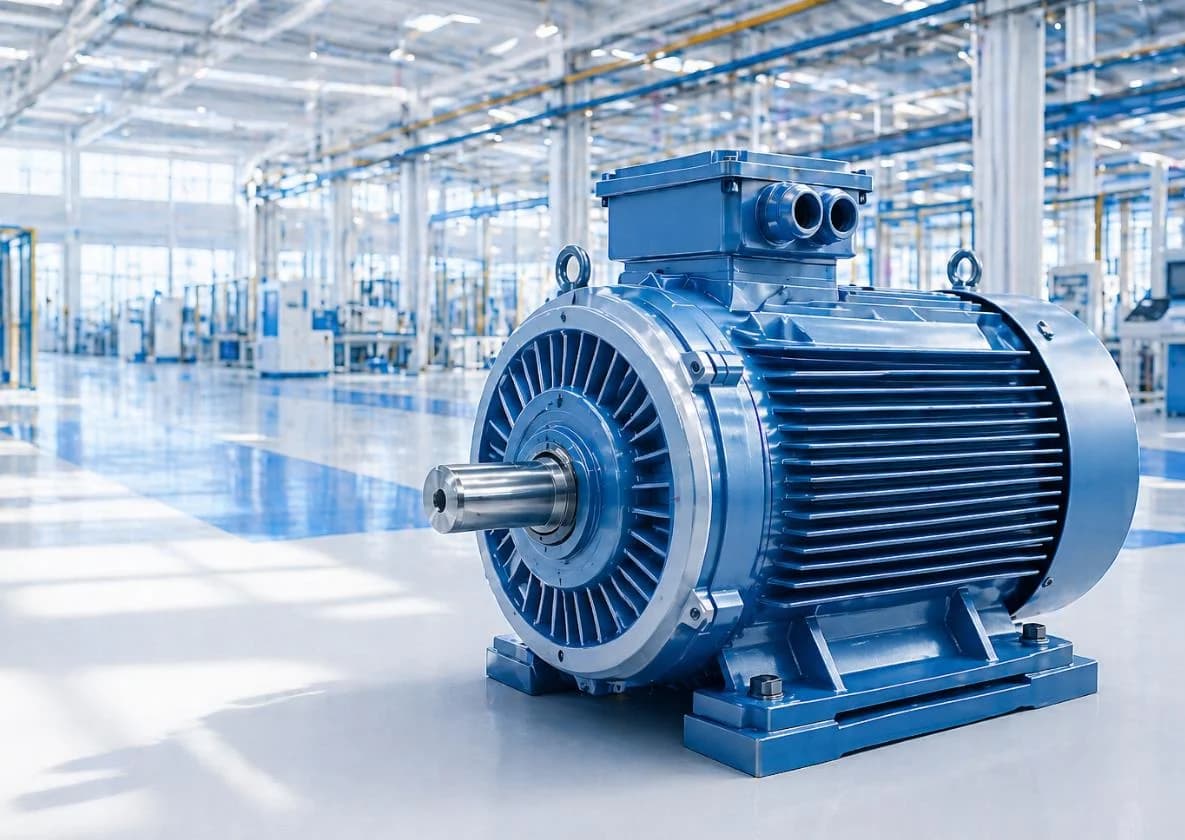
Diagram of shaft voltage behavior in a VFD-fed industrial motor circuit illustrating why shaft grounding protects bearings

What is shaft grounding?

Shaft grounding provides a controlled, low-impedance electrical path between the motor shaft and the machine frame. The goal is to steer inverter-induced currents away from bearing races and other sensitive interfaces.

In VFD systems, fast switching creates high-frequency components on the motor circuit. Those effects can elevate shaft potential and encourage discharge through bearings if no better path exists.

Why industrial motors need it under VFD operation

This section explains the mechanism in plain language. For program-level positioning, comparisons, and proof blocks, use the industrial motors application page linked below.

  • PWM edges and cable–motor capacitances couple high-frequency energy onto the rotor assembly, including the shaft surface you can access at the drive end.
  • When shaft-to-frame voltage exceeds the lubricant film withstand threshold, micro-discharges pit the raceway—often long before broadband vibration alarms trend upward.
  • Shaft grounding adds a preferred, low-inductance route to frame ground; it complements—but does not replace—sound bonding, cable practices, and drive settings.

Common signs of electrical bearing damage

Electrical discharge machining (EDM) in bearings may present similarly to other faults. These patterns warrant an electrical root-cause review in inverter-duty equipment.

  • Fluting or washboard patterns on raceways, sometimes visible during bearing replacement.
  • Grease darkening or unusual debris correlated with electrical discharge.
  • Rising high-frequency vibration or noise trends without a clear mechanical trigger.
  • Shortened bearing life compared to historical baselines on similar mechanical duty.

Typical industrial applications

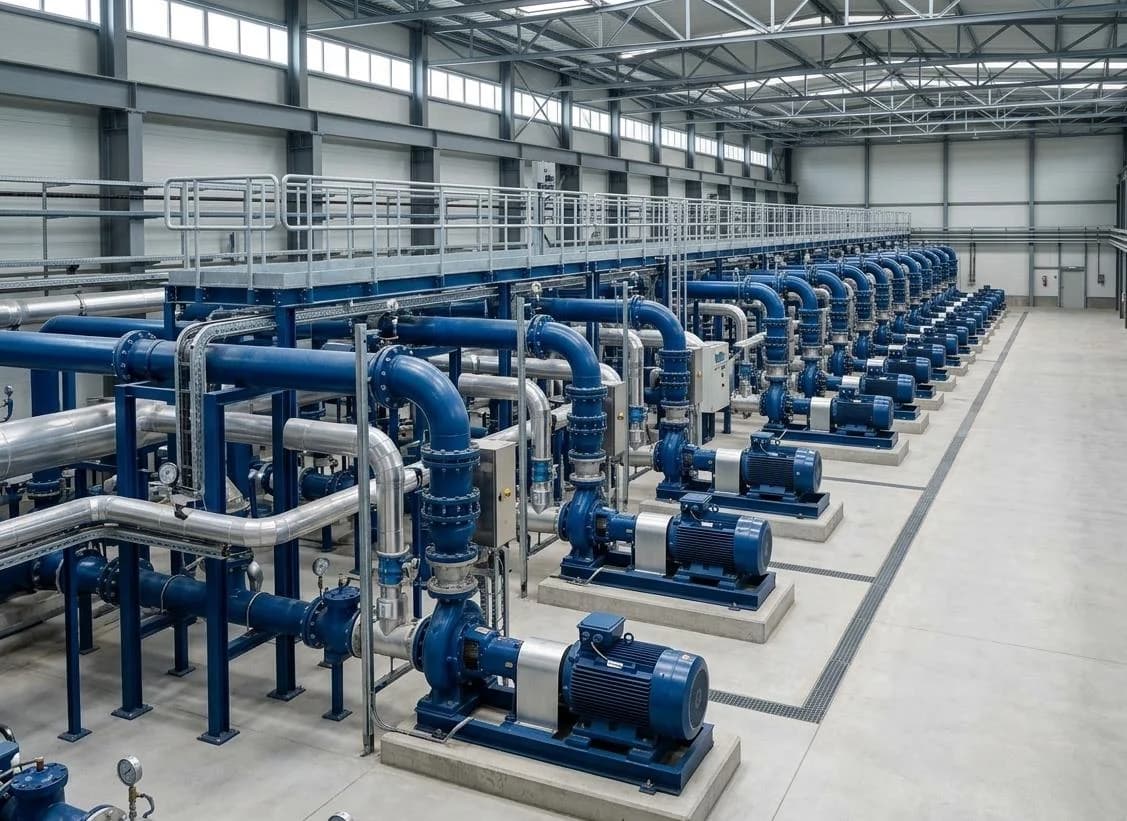
Industrial pump system motor with variable frequency drive for process water or circulation duty

Pump systems

Circulation and process pumps where speed control is continuous and bearing access is costly.
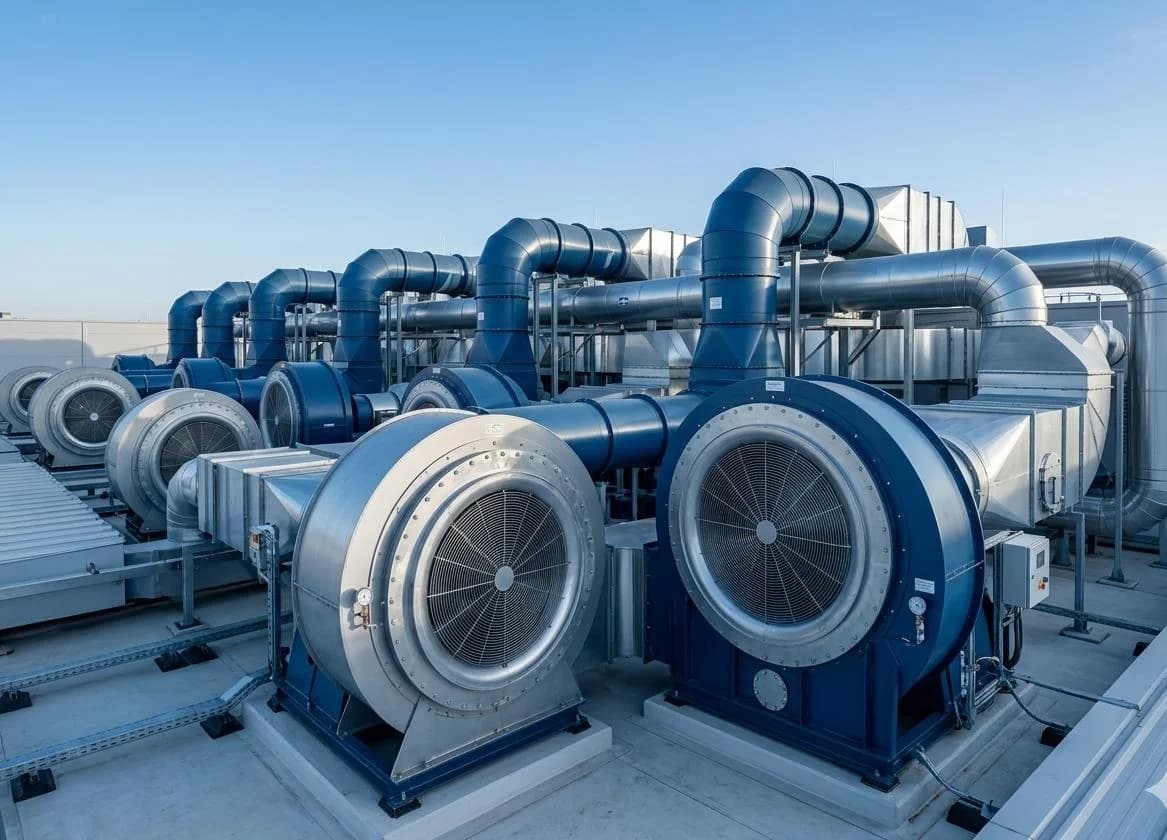
Industrial fans and blowers with VFD for HVAC or process ventilation motor trains

Fans & blowers

Air-moving loads with frequent ramps where inverter stress accumulates across operating hours.
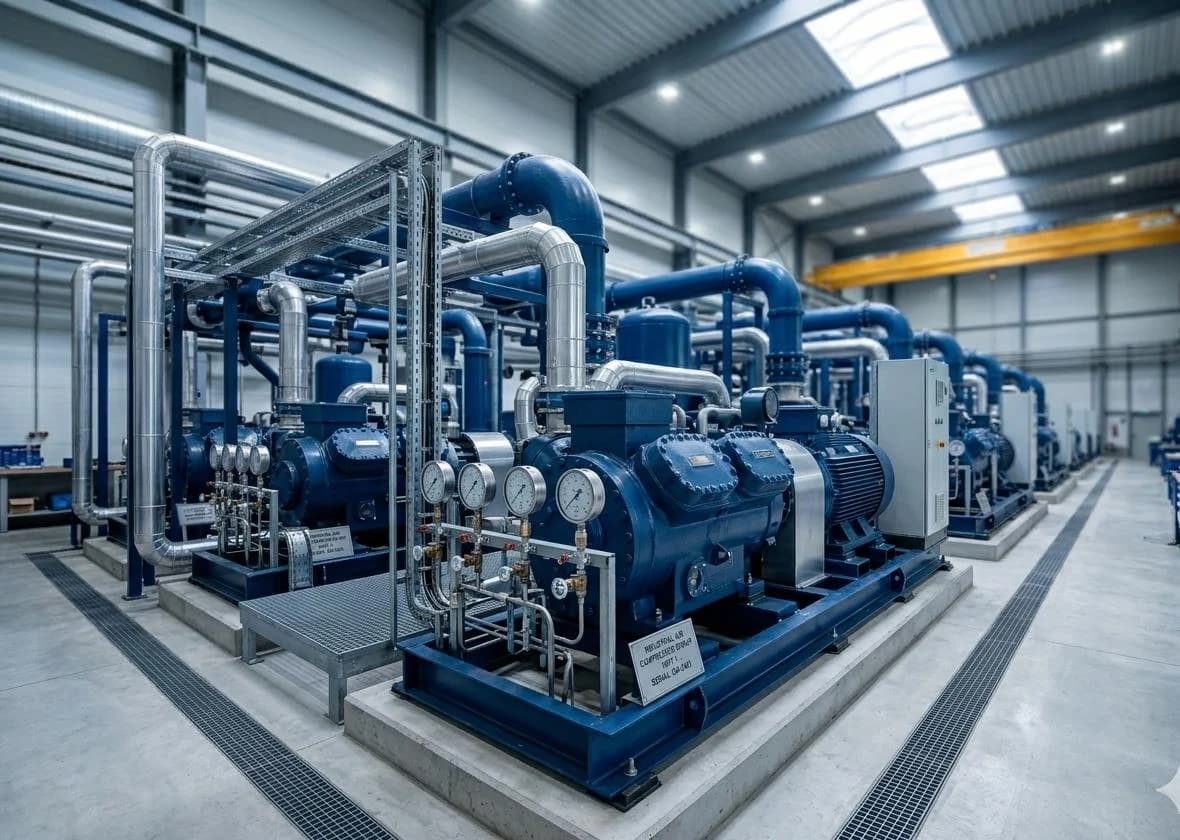
Industrial compressor motor and drive assembly with inverter-controlled shaft grounding context

Compressors

Compression packages where motor reliability directly ties to line uptime and maintenance windows.
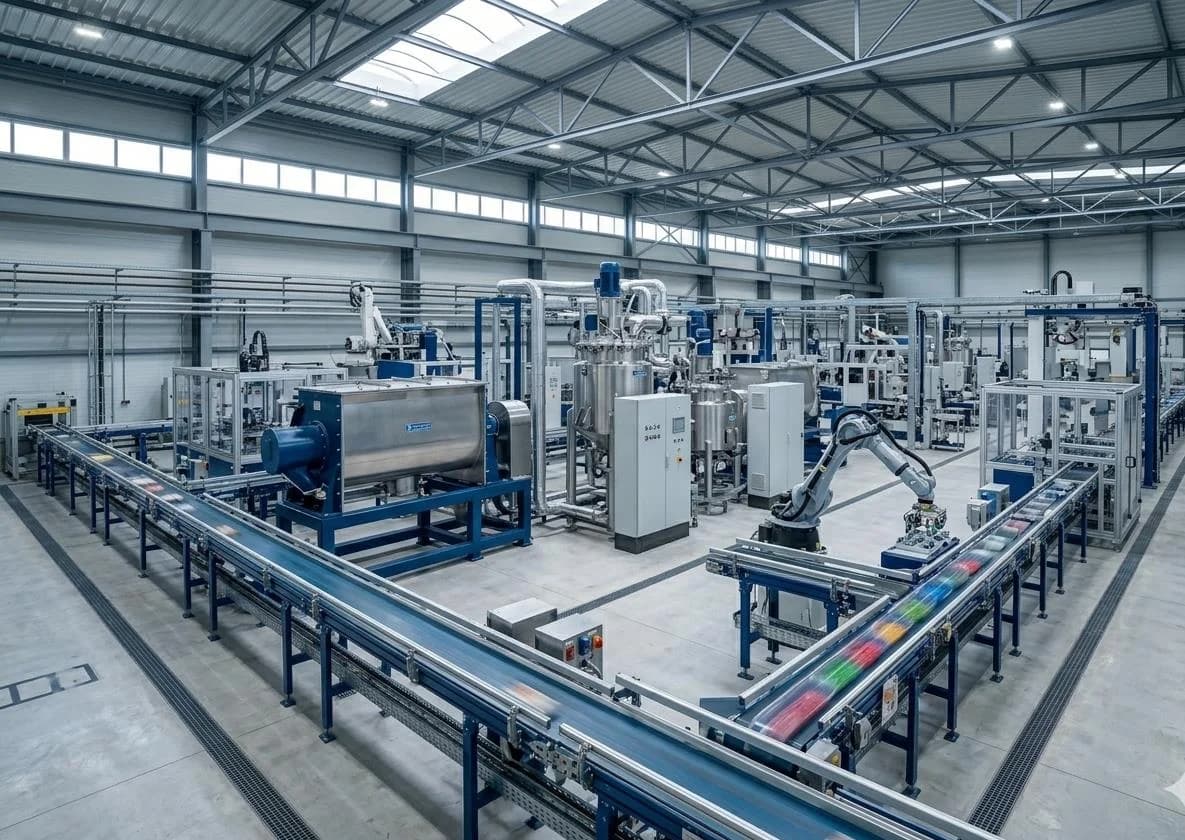
Factory floor industrial machinery and motor drives with variable speed control

General machinery

Conveyors, mixers, and mixed fleets where standardized bearing protection reduces repeat electrical failures.

Why conventional solutions fall short

Generic fixes can help in some cases, but industrial programs often need a repeatable strategy that survives installation variance and long run hours.

  • Relying on bearing insulation alone may shift the discharge path rather than eliminate the underlying stress.
  • Poorly matched brushes or inconsistent contact can create maintenance churn without stable electrical performance.
  • One-off fixes at a single asset rarely scale across a fleet of motors, drives, and cable runs.

What to look for in a shaft grounding solution

Use this checklist when comparing options for inverter-duty industrial motors:

  • Controlled discharge path sized for inverter-duty shaft voltage, not only mechanical fit.
  • Materials and geometry suited to your environment (contamination, wash-down, temperature swings).
  • Documented installation guidance and service access that matches your maintenance model.
  • Engineering support for mixed fleets: structure and fit review across solid, arc-shaped, and custom options.

Need the program-oriented industrial page?

The industrial motors application page focuses on proof, comparison, structured product fit review, and conversion CTAs, while this guide stays educational for search visitors.

Open industrial motors application page

Seeing washboard raceway damage?

If your team is troubleshooting fluting or repeat bearing failures, read the symptom-first guide—then return here for mitigation and product selection.

Open bearing fluting guide
Recommended solutions

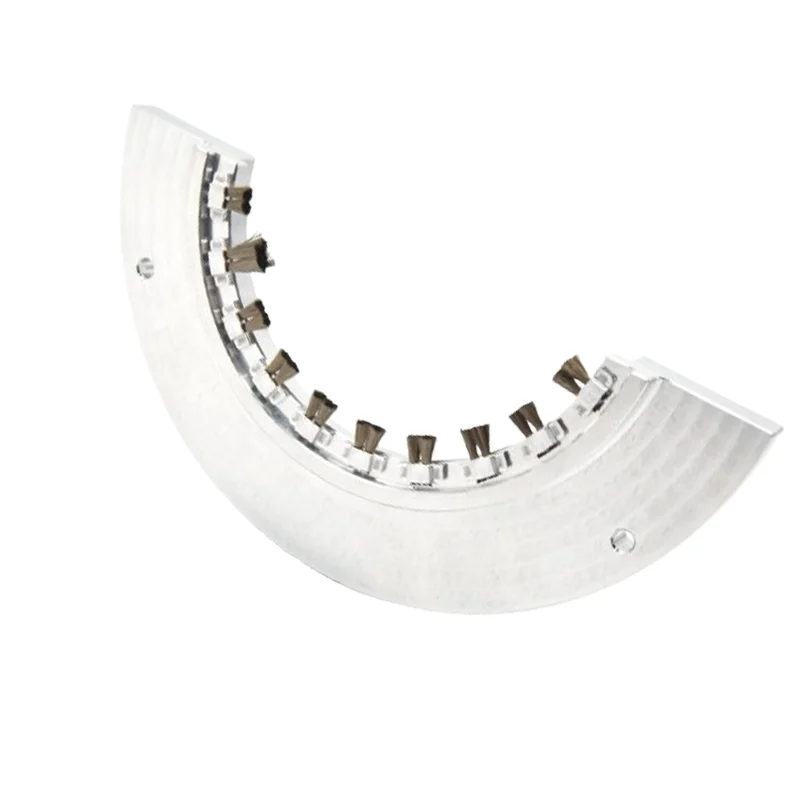
Arc-shaped shaft grounding ring for industrial VFD motor shaft review

Arc-shaped ST/STW shaft grounding ring

Reviewed when shaft size, access, or mounting envelope is better suited to an arc-shaped structure.

View product
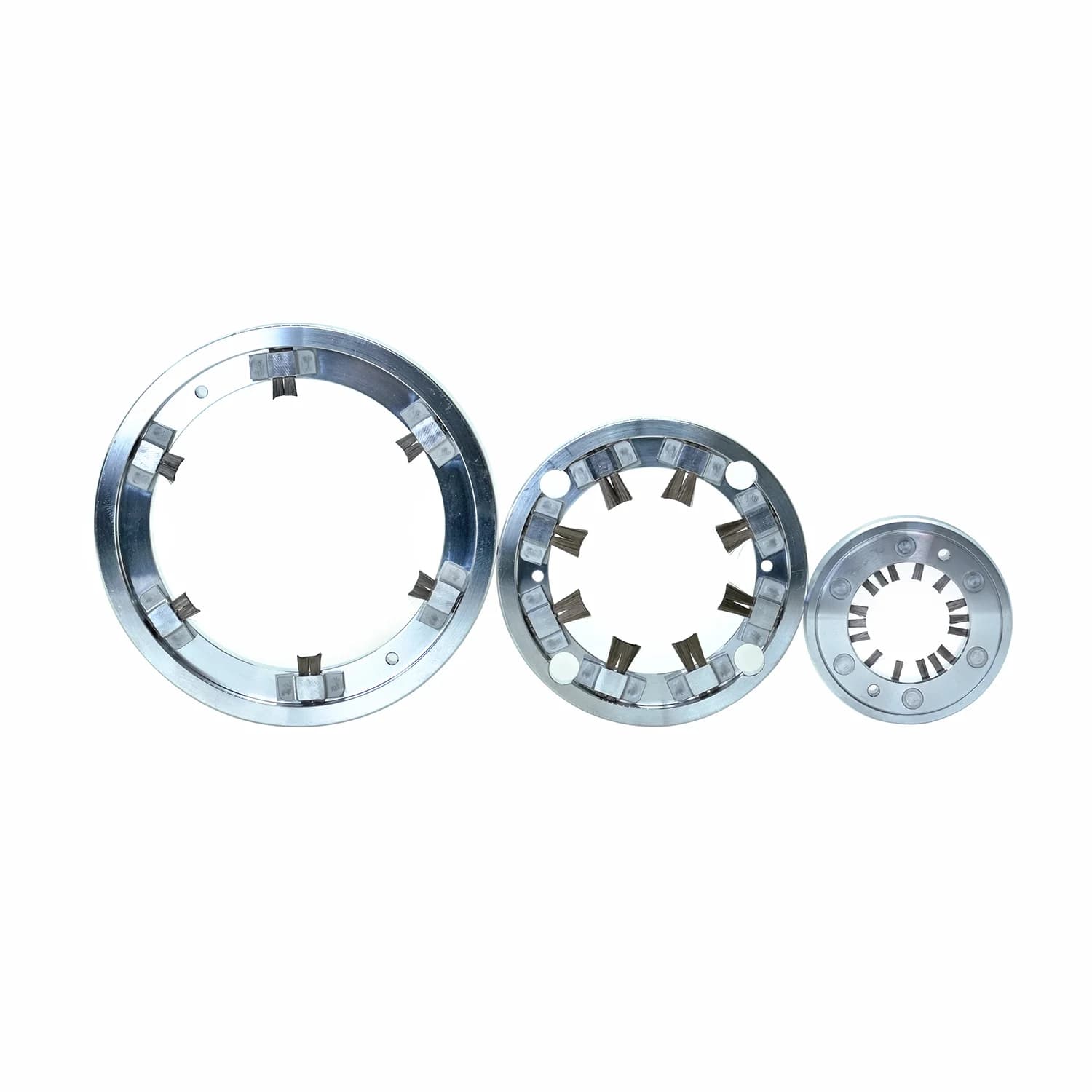
RD/RDW solid one-piece shaft grounding ring for industrial motor bearing protection

Solid RD/RDW shaft grounding ring

Reviewed when the shaft and installation envelope support a solid ring structure.

View product
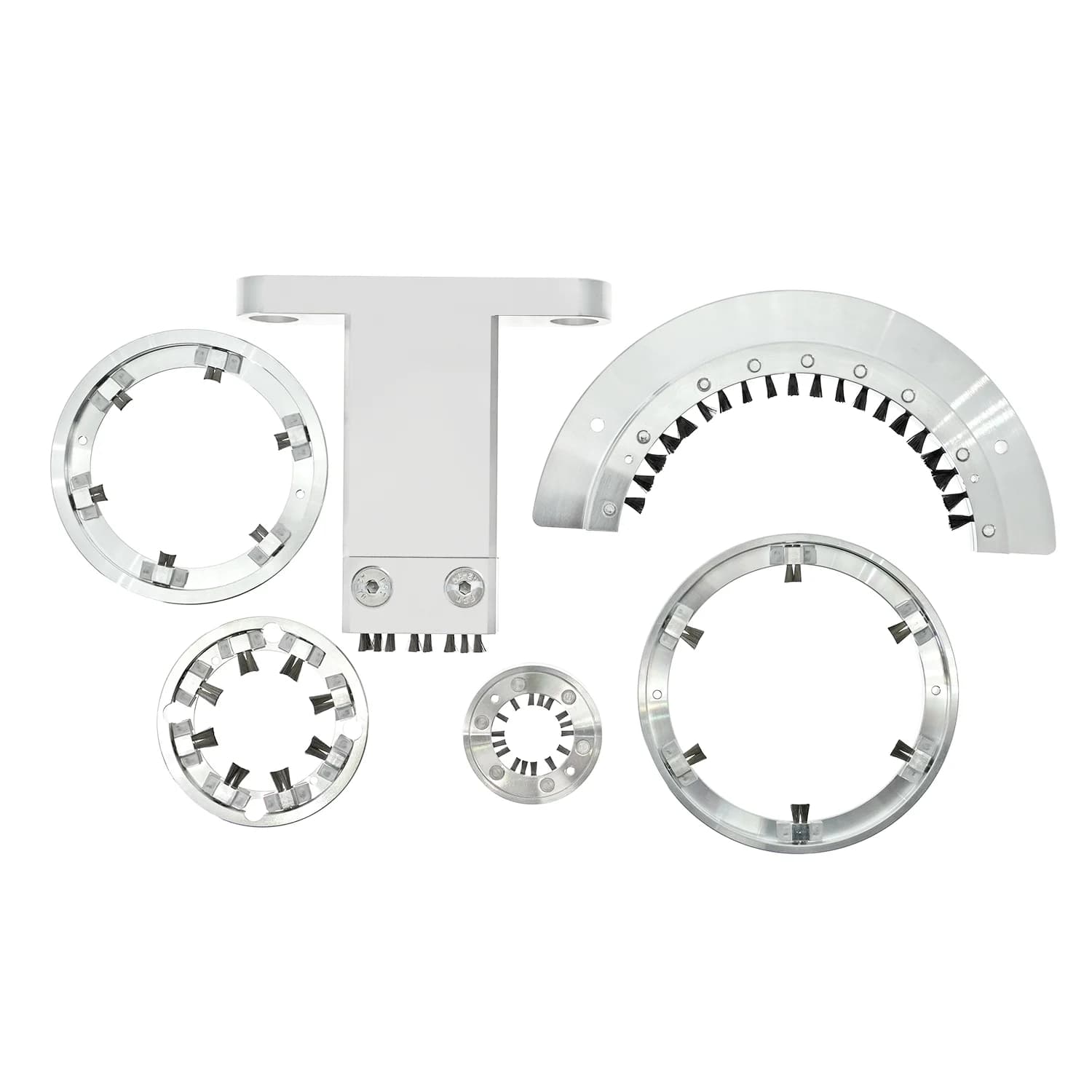
Custom engineered shaft grounding solution for non-standard industrial motor shafts

Custom grounding package

When shaft geometry, shielding, or envelope constraints require a tailored grounding architecture.

View product

Sizing or fleet rollout?

Share two motor nameplates and your worst repeat-failure story—we will suggest the fastest path to validation.

FAQ

Risk varies with drive topology, cable routing, grounding practice, and duty cycle. Many inverter-duty motors benefit from a controlled shaft current path to reduce bearing EDM damage over time.

Get application guidance

Use the form to route your inquiry to engineering with motor and VFD context already attached.

RFQ / pricing: add estimated annual quantity and region for faster quoting.

Inquiry type

required for quotation

faster response

Share your drawing by email or cloud link if a file cannot be attached here.

WhatsApp
Shaft Grounding for Industrial Motors | VFD Bearing Protection | Volsun Shaft Grounding Rings